
Palovaroittimet ovat yksi tärkeimmistä turvalaitteista kodeissa, toimistoissa ja teollisuustiloissa. Ne antavat varhaisen varoituksen tulipalon sattuessa, jolloin asukkaat voivat evakuoitua ja hälyttää pelastushenkilöstön. Palovaroittimen teho riippuu kuitenkin sen virtalähteestä. Tässä kohtaa akku on ratkaisevassa roolissa. Tässä artikkelissa tutkimme palovaroittimissa käytettyjä erityyppisiä paristoja, niiden käyttöikää, huoltoa ja oikean pariston valinnan tärkeyttä maksimaalisen luotettavuuden saavuttamiseksi.
Savuilmaisimia käyttäviä paristoja on useita erityyppisiä, ja jokaisella on omat ominaisuutensa, etunsa ja rajoituksensa. Yleisimpiä tyyppejä ovat:
- Alkaliparistot
- Edut: Alkaliparistot ovat yleisin valinta edullisuuden, helpon saatavuuden ja luotettavan suorituskyvyn vuoksi.
- Elinikä: Yleensä kestää 1–2 vuotta ennen vaihtotarvetta mallista ja käytöstä riippuen.
- Paras käyttökohde: Kotitalouksien ja asuinrakennusten savuilmaisimet.
- Huomioitavaa: Luotettavan toiminnan ylläpitämiseksi tarvitaan säännöllisiä testejä ja paristojen vaihtoa.
- Litium-akut
- Edut: Litiumparistojen käyttöikä on pidempi kuin alkaliparistojen, usein jopa 10 vuotta. Tämä johtuu niiden korkeammasta energiatiheydestä, minkä ansiosta ne soveltuvat pitkäaikaiseen käyttöön savuilmaisimissa.
- Elinikä: Yleensä kestää noin 10 vuotta, usein samaan aikaan savuilmaisimen suositellun käyttöiän kanssa.
- Paras käyttökohde: Nykyaikaiset, huoltovapaat palovaroittimet, joissa pariston vaihto on harvinaista.
- Huomioitavaa: Aluksi kalliimpi, mutta pitkällä aikavälillä kustannustehokkaampi.
- Nikkeli-kadmium (Ni-Cd) -akut
- Edut: Ni-Cd-akut ovat ladattavia ja kestävät lukuisia lataus- ja purkaussyklejä.
- Elinikä: Voi kestää noin 3–5 vuotta ennen tehokkuuden menettämistä. Ne kuitenkin vaativat lataamista ja huoltoa.
- Paras käyttökohde: Kaupalliset tai teolliset sovellukset, joissa ladattavia järjestelmiä suositaan.
- Huomioitavaa: Säännöllisen latauksen tarve tekee niistä vähemmän käteviä kotikäyttöön.
- Suljetut lyijyakut (SLA)
- Edut: Näitä käytetään yleisesti savunilmaisimissa suuremmissa tiloissa tai kaupallisissa sovelluksissa niiden suuremman kapasiteetin ja jatkuvan tehon tuottamisen kyvyn vuoksi.
- Elinikä: Kestää yleensä noin 5 vuotta ennen kuin se vaatii vaihtoa.
- Paras käyttökohde: Suuremmat järjestelmät tai ympäristöt, joissa keskeytymätön virransyöttö on kriittistä.
- Huomioitavaa: SLA-paristot ovat yleensä kookkaita ja niitä käytetään harvemmin asuinrakennusten savuilmaisimissa.
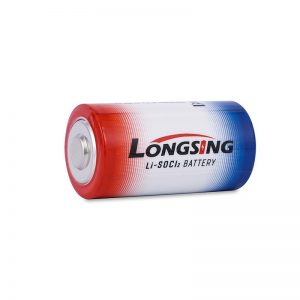
- LiSOC₂ (litiumtionyylikloridi) -akut
- Edut: LiSOC₂-akut tunnetaan suuresta energiatiheydestään ja erinomaisesta säilyvyydestään. Nämä akut sopivat hyvin pitkäaikaisiin ja vähän huoltoa vaativiin sovelluksiin, kuten savuilmaisimiin.
- Elinikä: Voi kestää jopa 10+ vuotta, käytöstä ja sovelluksesta riippuen.
- Paras käyttökohde: Teollisuus- ja kaupalliset ympäristöt, joissa pitkä paristonkesto on olennaista ja palovaroittimen odotetaan toimivan jatkuvasti pitkiä aikoja.
- Huomioitavaa: Vaikka nämä akut ovat kalliita, ne sopivat erinomaisesti sovelluksiin, jotka vaativat suurta energiatiheyttä ja pitkää käyttöikää.
Tuotteet luokittain
-
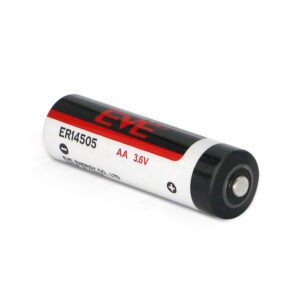
EVE ER14505 – Li-SOCl2 litiumparisto | 3,6 V 2700 mAh | AA-koko
-
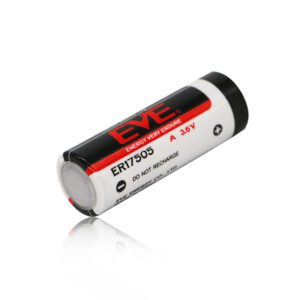
EVE ER17505 3.6V 3600mAh Li-SOCl2 litiumtionyylikloridiakku
-
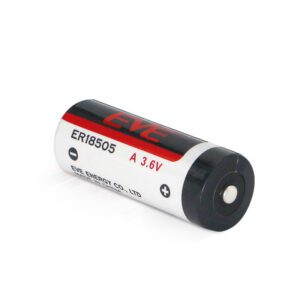
EVE ER18505 – Li-SOCl2 litiumtionyylikloridiakku | 3,6 V 4000 mAh
-
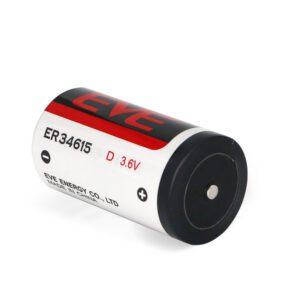
EVE ER34615 – Li-SOCl2 litiumparisto | 3,6 V 19 000 mAh | D-koko | Suurikapasiteettinen teollisuuskenno
-
Omnicel er14250 akku, er14250 litiumakku 3,6 v
-
Omnicel er14505 akku, er14505 aa 3,6 V litiumakku
-
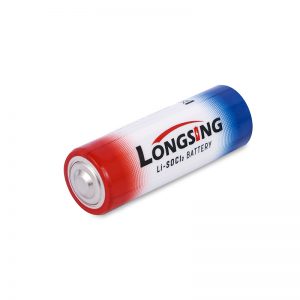
Omnicel er17505 akku, er17505 litiumakku 3,6 v
-
Omnicel er18505 akku, er18505 litiumakku 3,6 v
-
Omnicel er26500 akku, er26500 litiumakku
Palovaroittimen paristoa valittaessa on tärkeää ottaa huomioon useita tekijöitä, jotta voit valita tarpeisiisi parhaiten sopivan vaihtoehdon:
- Elinikä ja vaihtoväli: Kotikäyttöön kannattaa valita palovaroitin, jossa on 10 vuoden litiumparisto saattaa olla paras valinta, koska se vähentää akun säännöllisen vaihdon tarvetta ja minimoi vaihdon unohtamisen riskin. Kaupallisissa ympäristöissä ladattava Ni-Cd- tai SLA-akku voi olla ihanteellinen, koska ne pystyvät käsittelemään useammin toistuvia virrantarpeita.
- Ympäristö- ja virtavaatimukset: Korkean ilmankosteuden, äärimmäisten lämpötilojen tai toistuvien jännitevaihteluiden alueilla savuilmaisimet saattavat vaatia kestävämmän akun, kuten litium- tai SLA-akun, joka kestää vaativampia olosuhteita.
- Kustannukset vs. hyöty: Vaikka litiumparistot saattavat maksaa aluksi enemmän, niiden pidempi käyttöikä ja vähäiset huoltotarpeet voivat tarjota pitkän aikavälin säästöjä. Alkaliparistot taas ovat lyhyellä aikavälillä taloudellisempia, mutta ne on vaihdettava useammin.
- Turvaominaisuudet: Varmista, että palovaroitin ja paristo täyttävät asiaankuuluvat vaatimukset. turvallisuusstandardit (kuten UL-sertifiointi Yhdysvalloissa). Korkealaatuinen akku edistää savunilmaisinjärjestelmän yleistä luotettavuutta varmistaen, että se toimii oikein silloin, kun sitä eniten tarvitaan.
Säännöllinen huolto ja testaus ovat avainasemassa palovaroittimen moitteettoman toiminnan varmistamisessa. Tässä on joitakin parhaita käytäntöjä:
- Testaa kuukausittain: Paina palovaroittimesi testipainiketta kuukausittain tarkistaaksesi, toimiiko se. Jos se hälyttää, paristo on toimintakunnossa.
- Vaihda paristot vuosittain tai tarpeen mukaan: Alkaliparistot on vaihdettava vähintään kerran vuodessa tai useammin, jos heikon pariston merkkivalo osoittaa, että paristot on vaihdettava. Litiumparistot on vaihdettava, kun paristo on kulunut loppuun (yleensä joka 10 vuotta).
- Varmista oikea asennus: Noudata aina valmistajan ohjeita palovaroittimen ja pariston asennuksessa. Oikea sijoitus (yleensä kattoon tai korkealle seinälle) ja pariston oikea asennus ovat ratkaisevan tärkeitä optimaalisen suorituskyvyn saavuttamiseksi.
- Pidä palovaroitin puhtaana: Pöly ja lika voivat heikentää ilmaisimen kykyä havaita savua, joten puhdista se säännöllisesti sen tehokkuuden ylläpitämiseksi.
Palovaroittimen ensisijainen tehtävä on havaita savu ja tulipalo varhaisessa vaiheessa, mikä pelastaa ihmishenkiä ja omaisuutta. Jos paristo loppuu tai vikaantuu kriittisellä hetkellä, palovaroittimesta tulee hyödytön silloin, kun sitä eniten tarvitaan. Varmistamalla, että käytät laadukkaita paristoja ja huollat palovaroittimiasi säännöllisesti, investoit kotisi tai yrityksesi turvallisuuteen.
Oikean pariston valitseminen palovaroittimeen on tärkeää luotettavan ja pitkäaikaisen palovaarasuojan varmistamiseksi. Valitsitpa sitten emäksinen, litium, Ni-Cd, Palvelutasosopimus, tai LiSOC₂ paristojen osalta tärkeintä on valita tarpeisiisi sopiva paristo, vaihtaa se ajoissa ja testata palovaroittimesi säännöllisesti. Noudattamalla näitä yksinkertaisia ohjeita voit varmistaa, että palovaroittimesi tarjoavat edelleen korkeimman mahdollisen turvallisuustason tulevina vuosina.