
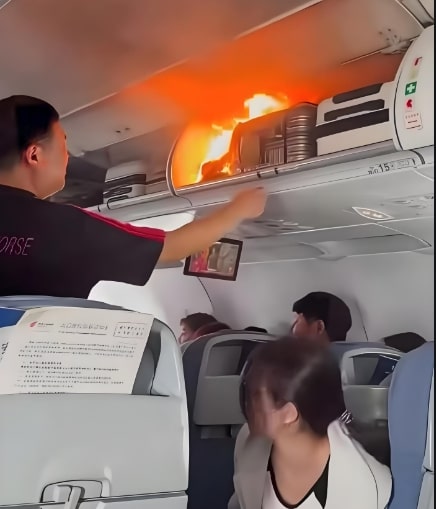
Overview of the Incident
On October 18, Air China (中国国际航空) issued an official report regarding a lithium battery fire incident on flight CA139, traveling from Hangzhou to Incheon. According to the airline, a passenger’s lithium battery stored in a carry-on bag inside the overhead compartment began to smoke and self-ignite mid-flight.
The crew immediately followed emergency procedures, successfully containing the situation without any injuries. To ensure flight safety, the aircraft diverted to Shanghai Pudong Airport for inspection, and Air China later arranged another aircraft to complete the journey.
What This Incident Tells Us About Battery Safety
While lithium batteries power most of our daily electronics, they also carry potential fire risks if mishandled. This incident highlights the importance of proper battery storage, transportation, and quality control.
- Quality Matters: Always choose batteries from reliable manufacturers that comply with UN38.3 and IEC62133 standards.
- Avoid Physical Damage: Dropping or crushing a lithium battery can cause internal short circuits.
- Do Not Overcharge or Overheat: Use certified chargers and avoid enclosed or high-temperature charging environments.
- Check Airline Rules: Spare batteries must be in carry-on luggage with terminals protected from short circuits.
How Manufacturers and Users Can Improve Battery Safety
Manufacturers should strengthen quality control and battery management systems to reduce risks. For users, regular inspection and safe disposal of damaged or swollen batteries are essential. Awareness and education are key to preventing incidents.
Battery Safety Matters: Spotlight on Li-SOCl₂ Batteries
In light of recent lithium battery incidents, it’s important to highlight safety considerations for lithium-thionyl chloride (Li-SOCl₂) batteries. These primary (non-rechargeable) cells offer very high energy density and long shelf life, but their chemistry brings distinct hazards that demand careful handling, transport, and disposal.
Why vigilance is required
Although sealed and reliable when used correctly, Li-SOCl₂ cells can present serious risks if abused or damaged: venting, fire, explosion, and release of corrosive/toxic fumes. Their high stored energy means a single cell failure can escalate quickly.
Key safety lessons (practical takeaways)
1. Quality & certification
- Purchase from reputable, certified manufacturers and require datasheets and test reports.
- Confirm compliance with applicable transport and safety standards for lithium metal cells (e.g., UN packaging/transport rules).
- Insist on traceability and batch/test records for critical applications.
2. Handling, storage & transport
- Store cells so terminals cannot short (use terminal covers or original packaging).
- Protect from crushing, puncture, deformation and direct heat sources.
- Observe storage temperature limits and avoid prolonged exposure above rated temperatures.
- When shipping, mark and pack following hazardous-goods regulations for lithium metal cells.
3. Equipment & usage
- Design devices to match the cell’s current and temperature ratings; avoid electrical overstress.
- Monitor battery temperature and voltage where feasible — even primary cells benefit from basic monitoring in high-reliability systems.
- Train users/technicians to recognise signs of cell distress: swelling, unusual heat, leaking or fumes — remove and isolate suspect cells.
- Never attempt to recharge a primary Li-SOCl₂ cell.
4. End-of-life & disposal
- Do not incinerate or puncture spent cells. Follow local hazardous-waste and battery-recycling rules.
- Use authorised hazardous-materials handlers for large-scale disposal or returns.
- Label and segregate damaged or suspect cells and notify qualified waste handlers for safe disposal.
Conclusion
The Air China CA139 incident shows that even a single faulty lithium battery can cause a serious safety threat. Through strict production standards, proper usage, and consumer awareness, we can ensure safe and reliable battery performance.
At ahotech.com, we are dedicated to promoting battery safety and innovation. Our lithium battery products meet international safety standards to guarantee reliability and peace of mind.
Tags: Lithium Battery Safety, Battery Fire, Air China CA139, Lithium Battery Transport, Battery Standards