
La mayoría de las implementaciones de IoT se diseñan en oficinas, se prueban en laboratorios y luego se envían al mundo real, donde las temperaturas pueden descender mucho más allá de lo que una batería estándar podría soportar. Un contador de agua inteligente enterrado bajo una carretera congelada en Siberia, un sensor de gasoducto expuesto a los vientos árticos, un collar de seguimiento de fauna silvestre en un lobo del norte de Canadá: todos estos dispositivos comparten un requisito fundamental. Su batería debe funcionar sin fallar durante años, en condiciones que agotarían una batería convencional en cuestión de días.
Elegir la química de batería incorrecta para una implementación de IoT en climas fríos no solo reduce la vida útil de la batería, sino que también provoca que los dispositivos se desconecten silenciosamente justo cuando más se necesitan. Esta guía abarca todo lo que los ingenieros, diseñadores de productos e integradores de sistemas necesitan saber sobre la selección, el dimensionamiento y la implementación de baterías para IoT en entornos de frío extremo.
Por qué el clima frío es devastador para las baterías estándar.
Las baterías generan electricidad mediante reacciones electroquímicas, y estas reacciones se ralentizan drásticamente al bajar la temperatura. La física es sencilla: las temperaturas más bajas reducen la movilidad de los iones en el electrolito, aumentan la resistencia interna y ralentizan la cinética en las superficies de los electrodos. En la práctica, esto significa que una batería que entrega su capacidad nominal completa a 25 °C puede entregar solo entre 50 y 70 µT de esa capacidad a -20 °C, e incluso tan solo entre 20 y 40 µT a -40 °C.
Para los dispositivos IoT que funcionan con presupuestos de batería fijos —donde todo el sistema se diseñó en torno a una reserva de energía de 5 o 10 años— incluso una reducción de la capacidad de la batería 30% en climas fríos puede acortar su vida útil en varios años. Peor aún, la caída de voltaje que acompaña a la descarga en climas fríos puede provocar el reinicio de los microcontroladores y los módulos de radio, generando lagunas de datos silenciosas que podrían no detectarse hasta que se inspeccione físicamente el dispositivo.
¿Qué les sucede a los tipos de baterías comunes en el frío?
| Química de las baterías | Rango nominal | Capacidad a −20 °C | Capacidad a −40 °C | ¿Es seguro cargar la batería por debajo de 0 °C? |
|---|---|---|---|---|
| Alcalina (LR6) | De -20 °C a +55 °C | ~40–50% | Casi inutilizable | No |
| Iones de litio (18650) | De -20 °C a +60 °C | ~60–70% | ~20–30% | No, causa daños |
| LiFePO4 | De -20 °C a +70 °C | ~65–75% | ~25–35% | No por debajo de −10 °C |
| Li-MnO₂ (CR) | De -40 °C a +70 °C | ~80% | ~55–65% | Primario — no recargable |
| Li-SOCl₂ (bobina) | De -60 °C a +85 °C | ~90–95% | ~75–85% | Primario — no recargable |
| Li-SOCl₂ + HPC | De -40 °C a +85 °C | ~95% | ~85–90% | Híbrido: la computación de alto rendimiento (HPC) procesa pulsos. |
Las cifras anteriores dejan clara la elección para cualquier implementación por debajo de −20 °C: el cloruro de tionilo de litio (Li-SOCl₂) es la única química que ofrece el rendimiento en climas fríos, la vida útil y la densidad de energía necesarias para aplicaciones industriales de IoT de alta exigencia.
El estándar de oro: baterías de Li-SOCl₂ para IoT en climas fríos
Las baterías de cloruro de tionilo de litio funcionan de manera confiable desde De -60 °C a +85 °C — una autonomía que ninguna otra tecnología de baterías ampliamente disponible puede igualar. Su electrolito anhidro (sin agua) no se congela, su ánodo de litio metálico mantiene su reactividad a temperaturas extremadamente bajas, y su tasa de autodescarga de menos de 11 TP3T por año significa que un dispositivo instalado en una estación de monitoreo en la tundra congelada puede funcionar durante 10 a 15 años con una sola celda.
Estas propiedades convierten al Li-SOCl₂ en la fuente de alimentación estándar para el IoT en climas fríos en diversas industrias, entre las que se incluyen:
- Sistemas inteligentes de medición de gas, agua y calefacción en climas nórdicos y norteamericanos.
- Estaciones remotas de monitoreo meteorológico y ambiental
- Sensores de integridad de oleoductos y gasoductos en regiones árticas
- Rastreadores de logística de cadena de frío en contenedores refrigerados
- Collares GPS para fauna silvestre desplegados en ecosistemas subárticos.
- Infraestructuras urbanas inteligentes (tapas de alcantarilla inteligentes, hidrantes, sensores de estacionamiento) en climas fríos
- Sensores de suelo agrícola y riego durante los períodos de dormancia invernal
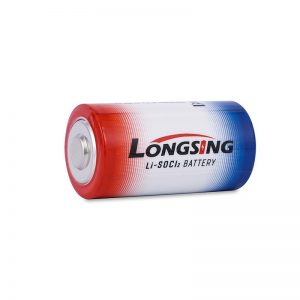
Baterías de Li-SOCl₂
-
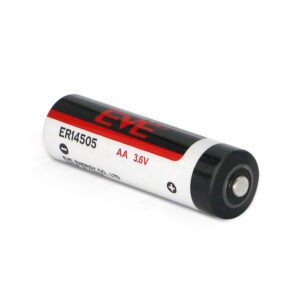
EVE ER14505 – Batería de litio Li-SOCl2 | 3,6 V 2700 mAh | Tamaño AA
-
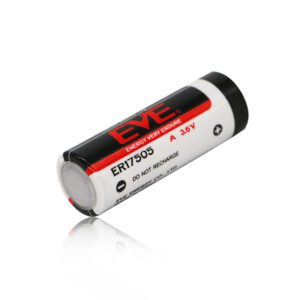
Batería de cloruro de tionilo de litio EVE ER17505 de 3,6 V y 3600 mAh Li-SOCl2
-
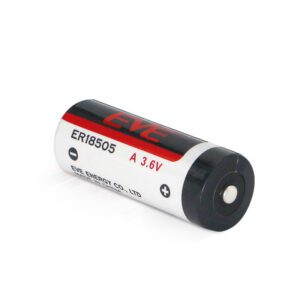
EVE ER18505 – Batería de cloruro de tionilo de litio Li-SOCl2 | 3,6 V 4000 mAh
-
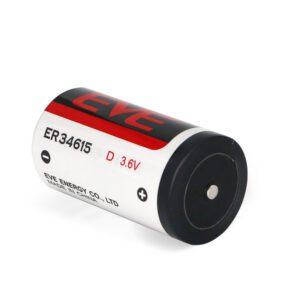
EVE ER34615 – Batería de litio Li-SOCl2 | 3,6 V 19000 mAh | Tamaño D | Celda industrial de alta capacidad
-
Batería Omnicel er14250, batería de litio er14250 3,6 v
-
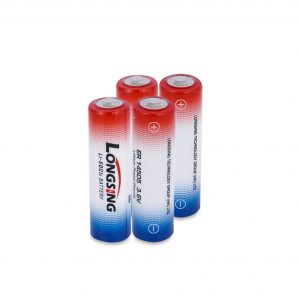
Batería Omnicel er14505, batería de litio er14505 aa de 3,6 v
-
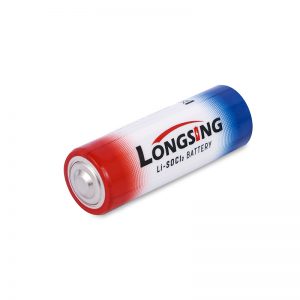
Batería Omnicel er17505, batería de litio er17505 3,6 v
-
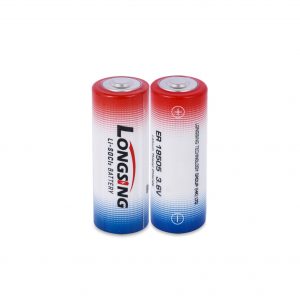
Batería Omnicel er18505, batería de litio er18505 3,6 v
-
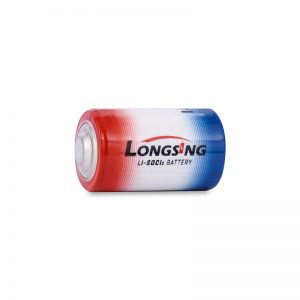
Batería Omnicel er26500, batería de litio er26500
El desafío de la pasivación
Las celdas de Li-SOCl₂ tienen una característica bien conocida que los ingenieros deben tener en cuenta en los diseños para climas fríos: pasivación. Cuando una celda se almacena o permanece inactiva, se forma una fina capa de cloruro de litio en la superficie del ánodo. Esta capa es la responsable de la extraordinaria vida útil de la celda —ya que evita la autodescarga—, pero también provoca una breve caída de voltaje cuando la celda se conecta por primera vez a una carga después de un período de inactividad.
A bajas temperaturas, la pasivación es más pronunciada. Una celda almacenada a -40 °C a la que se le exige inmediatamente que suministre una corriente de pulso alta —por ejemplo, para transmitir un paquete de datos celulares— puede experimentar una caída de tensión por debajo del voltaje de funcionamiento de los componentes electrónicos conectados durante una fracción de segundo. Esto puede provocar el reinicio del dispositivo o un fallo en la transmisión.
La solución es la Condensador de pulso híbrido (HPC) — y es la innovación más importante en el diseño de sistemas de alimentación para IoT en climas fríos de la última década.
La solución HPC: Sistemas híbridos de baterías con condensadores de pulsos
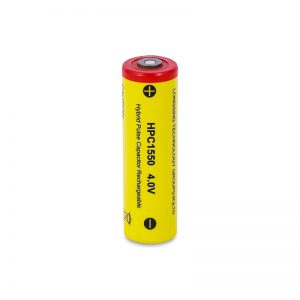
Un condensador de pulso híbrido combina una celda primaria de Li-SOCl₂ con un supercondensador de alta capacidad (condensador de doble capa eléctrica) en un único paquete integrado. Los dos componentes se reparten las responsabilidades de forma que se eliminan las debilidades de cada uno:
- El celda de Li-SOCl₂ Proporciona la reserva de energía básica: alta capacidad, curva de voltaje plana, autodescarga ultrabaja y tolerancia a temperaturas extremas.
- El supercondensador Admite todas las cargas de pulsos de alta corriente: adquisición de GPS, transmisión celular, ráfagas de radio NB-IoT o LTE-M, lecturas de sensores. Absorbe y suministra corriente mucho más rápido que cualquier otra tecnología de baterías.
El resultado es un sistema de alimentación que combina la densidad energética y la longevidad del Li-SOCl₂ con la capacidad de corriente pulsada de un supercondensador, y es inmune a la caída de tensión de pasivación, porque el condensador responde instantáneamente mientras la batería se pone al día.
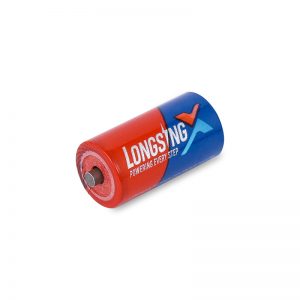
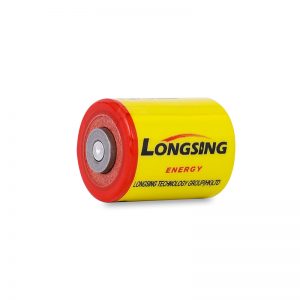
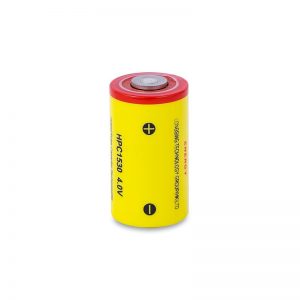
Productos de supercondensadores
Cómo funciona la computación de alto rendimiento en la práctica
Durante el modo de reposo (que puede representar el 991% de la vida útil del dispositivo), la celda de Li-SOCl₂ carga lentamente el supercondensador. Cuando el dispositivo se activa para realizar una lectura y transmitir datos, el supercondensador suministra la corriente de ráfaga necesaria (generalmente de 1 a 3 A durante 1 a 2 segundos para la transmisión celular). Posteriormente, la batería recarga silenciosamente el condensador durante el siguiente intervalo de reposo. Este ciclo puede repetirse cientos de miles de veces a lo largo de la vida útil del dispositivo sin degradar la celda principal.
Esta arquitectura resulta especialmente eficaz en climas fríos, ya que los supercondensadores conservan su capacidad de suministro de carga mucho mejor que las baterías a bajas temperaturas. Un supercondensador con una capacidad nominal de hasta -40 °C seguirá suministrando prácticamente toda su corriente de pulso en esas condiciones, incluso cuando una batería estándar tendría dificultades para mantener el voltaje.
Especificaciones clave a evaluar para baterías de IoT para climas fríos
Al seleccionar una batería o un sistema de baterías para una implementación de IoT en clima frío, estas son las especificaciones más importantes y lo que debe buscar en cada una:
Rango de temperatura de funcionamiento (descarga)
Esto debe abarcar la temperatura mínima que el dispositivo encontrará en condiciones reales, no solo la temperatura ambiente, sino también la temperatura dentro de la carcasa en el lugar de instalación. Un dispositivo enterrado en suelo congelado puede experimentar temperaturas diferentes a las de uno montado sobre una superficie expuesta al viento helado. Diseñe siempre para el peor de los casos, no para el promedio.
Retención de capacidad a baja temperatura
La especificación técnica que indica un rango de funcionamiento de −40 °C no es suficiente por sí sola. Los fabricantes de renombre publican curvas de reducción de capacidad que muestran cuánta capacidad nominal está disponible a cada temperatura. Solicite y verifique estos datos. Una celda que conserva la capacidad de 80% a −40 °C es muy diferente de una que conserva la capacidad de 40%.
Tasa de autodescarga
Para despliegues de 5 años o más, la autodescarga de la batería durante el almacenamiento y el período inicial de despliegue representa una parte significativa del presupuesto energético total. Se prefieren las celdas de Li-SOCl₂ con una autodescarga anual inferior a 11 TP3T. Algunas celdas de baja calidad presentan una autodescarga anual de 2 a 31 TP3T, lo que puede consumir entre 20 y 301 TP3T de capacidad incluso antes de que el dispositivo esté completamente desplegado.
Capacidad de corriente pulsada
Determine la demanda de corriente máxima del dispositivo IoT durante la transmisión. Los módulos NB-IoT suelen requerir entre 200 y 500 mA de pico; los módulos celulares LTE-M y 2G/4G pueden requerir entre 1 y 3 A. Ajuste este valor a la capacidad de pulso nominal de la batería o del sistema HPC a la temperatura mínima de funcionamiento, no solo a temperatura ambiente.
Estabilidad de voltaje en función de la temperatura
La batería de litio-carbono (Li-SOCl₂) mantiene una meseta plana de 3,6 V durante la mayor parte de su descarga y en todo su rango de temperatura de funcionamiento. Esta curva plana simplifica el diseño de la fuente de alimentación y garantiza que los reguladores de voltaje y los módulos de radio reciban un voltaje de alimentación estable durante toda la vida útil de la batería, incluso en condiciones de frío extremo.
Certificaciones
Para implementaciones comerciales de IoT, verifique que las celdas cuenten con las certificaciones pertinentes: IEC 60086-4 (celdas de litio primarias), UN 38.3 (seguridad en el transporte), UL y cumplimiento con RoHS. Para aplicaciones farmacéuticas o de seguridad alimentaria que requieran cadena de frío, podría ser necesario cumplir con normativas adicionales.
Selección de baterías para IoT en climas fríos según la aplicación.
Medición inteligente (gas, agua, calefacción)
Recomendado: Celda de bobina de Li-SOCl₂ (serie ER, tamaño D o C)
Los contadores inteligentes en climas fríos suelen transmitir pequeños paquetes de datos cada pocos minutos u horas. El consumo de corriente se sitúa en el rango de los microamperios durante el modo de reposo y en el de los miliamperios bajos durante la transmisión. Una pila de Li-SOCl₂ tipo bobina ER26500 (tamaño C) o ER34615 (tamaño D) puede alimentar estos contadores durante 10 a 20 años a temperaturas de hasta -40 °C. La construcción tipo bobina maximiza la densidad energética para este perfil de bajo consumo.
Seguimiento GPS de activos (contenedores, vehículos, fauna silvestre)
Recomendado: Célula de enrollamiento en espiral de Li-SOCl₂ + HPC, o célula de enrollamiento en espiral sola
Los rastreadores GPS requieren ráfagas periódicas de alta corriente para la adquisición de datos satelitales y la transmisión celular. Las celdas de Li-SOCl₂ enrolladas en espiral soportan mejor las cargas pulsantes que las celdas de bobina, y su combinación con un supercondensador HPC elimina las caídas de voltaje relacionadas con la pasivación durante el arranque en frío. Para los collares de fauna ártica, son estándar los paquetes de celdas primarias sobredimensionadas con una vida útil prevista de 2 a 5 años.
Monitoreo de oleoductos e infraestructura
Recomendado: Bobina de Li-SOCl₂ o paquete HPC, formato personalizado
Las unidades terminales remotas (RTU) en oleoductos y gasoductos pueden transmitir datos de sensores cada pocos segundos o minutos. Según la frecuencia de transmisión, resulta apropiado utilizar un paquete de bobinas de alta capacidad o un sistema HPC. Algunas RTU de oleoductos utilizan celdas ER34615 de tamaño D en configuraciones multicelda en serie/paralelo para alcanzar una capacidad de 60 a 100 Ah para despliegues de 5 a 10 años.
Monitoreo ambiental y meteorológico
Recomendado: Energía solar + LiFePO4 para carga durante todo el año, o Li-SOCl₂ como sistema principal para sitios con energía solar insuficiente en invierno.
Las estaciones con paneles solares pueden recargar las baterías de LiFePO4 durante los meses de verano, prolongando así su vida útil. Sin embargo, en latitudes altas donde la radiación solar invernal es mínima durante meses, las celdas primarias de Li-SOCl₂ son más fiables que un sistema recargable agotado. Un diseño híbrido —con energía solar como fuente principal y baterías de respaldo de Li-SOCl₂— es óptimo para estaciones de monitoreo críticas.
Logística de cadena de frío
Recomendado: Li-SOCl₂ enrollado en espiral (ER14505 AA o ER26500 tamaño C)
Los sistemas de seguimiento de la cadena de frío farmacéutica, ubicados dentro de contenedores refrigerados, operan continuamente a temperaturas entre -20 °C y -25 °C. Deben transmitir registros de temperatura y datos de posición GPS a través de la pared del contenedor. Las celdas de bobinado en espiral de tamaño AA son una opción común debido a su equilibrio entre densidad de energía, capacidad de pulsos y tamaño compacto.
Dimensionamiento de una batería para IoT en climas fríos: un marco práctico
Calcular correctamente la capacidad de la batería es fundamental. Si la batería es demasiado pequeña, el dispositivo fallará durante su uso. Si es demasiado grande, se añadirán costes y volumen innecesarios. A continuación, se presenta un marco práctico:
Paso 1: Calcular el consumo medio de corriente
Divide el ciclo de trabajo del dispositivo en estados: corriente de reposo × duración del reposo + corriente activa × duración activa = corriente promedio por ciclo. Por ejemplo, un rastreador que permanece en reposo a 10 µA durante 3600 segundos y luego se activa y transmite a 500 mA durante 2 segundos tiene una corriente promedio de aproximadamente 10,28 µA por ciclo, dominada por el estado de reposo.
Paso 2: Calcular la energía total requerida
Multiplique la corriente promedio por la duración de la implementación en horas. Añada un margen de 20–30% por la reducción de capacidad en clima frío, 10% por la autodescarga durante el período de implementación y 10% por las pérdidas por corte de voltaje al final de la vida útil. Margen total: 40–50% por encima del mínimo calculado.
Paso 3: Seleccionar la capacidad y la composición química de la celda.
Ajuste el requerimiento energético total a la capacidad de las celdas disponibles. Para baterías de litio-carbono (Li-SOCl₂), los tamaños comunes incluyen ER14250 (1/2 AA, 1,2 Ah), ER14505 (AA, 2,4 Ah), ER26500 (C, 9 Ah) y ER34615 (D, 19 Ah). Utilice una sola celda D o un paquete multicelda según el presupuesto energético.
Paso 4: Verificar la capacidad de pulso
Confirme que la celda seleccionada (o el sistema HPC) pueda suministrar la corriente máxima requerida a la temperatura mínima de funcionamiento sin que la tensión caiga por debajo de la tensión mínima de funcionamiento del circuito. De no ser así, seleccione una celda de bobinado en espiral con mayor capacidad de pulsos o añada un supercondensador HPC.
Paso 5: Validar mediante pruebas en el mundo real.
Antes de la puesta en producción, pruebe las unidades ensambladas en una cámara de temperatura a la temperatura mínima prevista para su funcionamiento. Realice ciclos operativos completos (reposo, activación, transmisión) y verifique que el voltaje se mantenga dentro de las especificaciones durante todo el ciclo de trabajo.
Diseño de carcasa y aislamiento térmico para IoT en climas fríos
La mejor batería del mundo puede tener un rendimiento inferior si el diseño de la carcasa no funciona correctamente. Las carcasas para dispositivos IoT en climas fríos deben diseñarse siguiendo los siguientes principios:
- Aísle el compartimento de la batería por contacto directo con superficies frías mediante espuma de celda cerrada (Armaflex, Ensolite o similar). Incluso unos pocos grados de amortiguación térmica pueden mejorar significativamente la capacidad para climas fríos.
- Utilice el propio calor del dispositivo. El microcontrolador, el módulo de radio e incluso la reacción de descarga de la batería generan pequeñas cantidades de calor. Una carcasa bien aislada atrapa este calor y mantiene la temperatura interna más alta que la ambiente, a veces entre 5 y 15 °C, lo que puede mejorar significativamente el rendimiento de la batería.
- Evite los materiales que se vuelven quebradizos con el frío intenso. El plástico ABS estándar y muchos materiales para juntas fallan mecánicamente por debajo de -30 °C. Utilice carcasas de policarbonato y juntas de silicona aptas para todo el rango de temperatura de funcionamiento.
- El sellado hermético evita la condensación. Los ciclos térmicos (días cálidos, noches gélidas) pueden provocar que la humedad penetre en las carcasas mal selladas y se condense en los terminales electrónicos y de la batería, causando corrosión y fallos. El grado de protección IP67 o IP68 es el estándar mínimo para instalaciones exteriores en climas fríos.
Errores comunes en el diseño de baterías para IoT en climas fríos
- Realizar las pruebas únicamente a temperatura ambiente. Las pruebas de laboratorio a 25 °C no aportan información sobre el rendimiento a -40 °C. Incluya siempre pruebas a baja temperatura en su proceso de cualificación.
- Uso de pilas de bobina para aplicaciones con alta intensidad de pulsos. Las celdas de litio-socil₂ de Bobbin no están diseñadas para las altas corrientes de pulso de los módulos IoT celulares modernos. Su uso sin un controlador de alto rendimiento (HPC) provoca un colapso de voltaje durante la transmisión.
- Ignorar la pasivación después del almacenamiento. Los dispositivos que permanecen almacenados entre 6 y 12 meses antes de su uso tendrán celdas pasivadas. El uso en climas fríos agrava este efecto. Incluya un "pulso de formación" o un supercondensador de reserva en el diseño para gestionar la pasivación inicial.
- Subestimación de la autodescarga en el presupuesto energético total. Una instalación de 15 años con una celda de autodescarga de 1%/año pierde 15% de capacidad nominal antes de que se aplique cualquier carga. Tenga esto en cuenta en sus cálculos de dimensionamiento.
- Obtención de células no certificadas. El mercado de baterías de litio-carbono (Li-SOCl₂) cuenta con productos falsificados que no cumplen con las especificaciones anunciadas. Estas baterías falsificadas pueden presentar una autodescarga mucho mayor, menor capacidad en climas fríos o deficiencias de seguridad. Adquiera siempre baterías de fabricantes certificados con datos de prueba verificables.
Resumen: Cómo elegir la batería adecuada para dispositivos IoT en climas fríos.
| Solicitud | Temperatura mínima | Solución recomendada | Esperanza de vida |
|---|---|---|---|
| Contador inteligente de gas/agua | −40°C | Bobina de Li-SOCl₂ (ER26500 / ER34615) | 10-20 años |
| Rastreador de activos GPS | −40°C | Li-SOCl₂ enrollado en espiral + HPC | 3–7 años |
| collar para fauna ártica | −50°C | Paquete personalizado de Li-SOCl₂, ciclo de trabajo ultrabajo | 2–5 años |
| Unidad de radio de tubería | −40°C | Paquete de celdas D de Li-SOCl₂ o HPC | 5-10 años |
| Leñador de cadena de frío | −25°C | Li-SOCl₂ enrollado en espiral (ER14505) | 2–5 años |
| Estación meteorológica | −40°C | Energía solar + LiFePO4 o Li-SOCl₂ primaria | 5–15 años |
| Sensor de ciudad inteligente | −30°C | Bobina de Li-SOCl₂ + HPC (NB-IoT) | 10-15 años |
Reflexiones finales
El frío extremo es uno de los entornos más exigentes a los que puede enfrentarse cualquier dispositivo IoT, y la elección de la batería es la decisión más importante en el diseño del sistema de alimentación. Una batería mal elegida fallará silenciosamente, dejando fuera de servicio los datos de los sensores, la visibilidad de los activos o la monitorización de la seguridad en condiciones donde la fiabilidad de los datos es fundamental.
La química del cloruro de tionilo de litio, especialmente cuando se combina con un condensador de pulsos híbrido para aplicaciones con alta frecuencia de pulsos, proporciona la única base fiable para implementaciones de IoT de varios años en entornos fríos y extremadamente fríos. No es la opción más económica inicialmente, pero si se tienen en cuenta los costes de las visitas de servicio técnico, la sustitución de dispositivos y la pérdida de datos en caso de una implementación fallida, casi siempre resulta la opción más económica a lo largo de la vida útil del sistema.
Diseña tu dispositivo para la temperatura más extrema a la que pueda estar expuesto. Verifícalo con pruebas reales en cámara frigorífica. Adquiere componentes de fabricantes certificados. Y dimensiona la batería con suficiente margen para compensar la reducción de rendimiento por bajas temperaturas, la autodescarga y cualquier imprevisto.
En condiciones de frío extremo, no hay una segunda oportunidad para reparar un sistema eléctrico que estaba casi correcto.